Spatial Composition Paintings





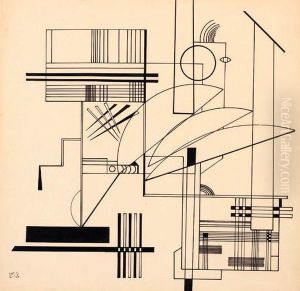


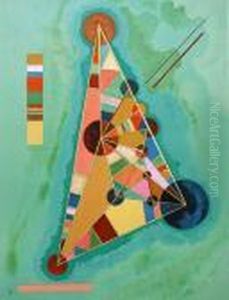


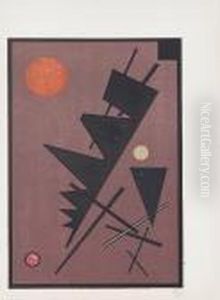

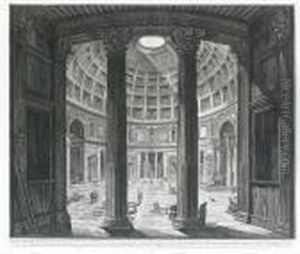
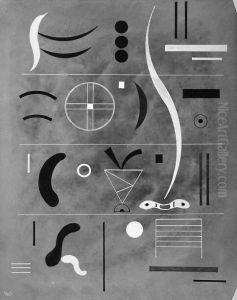

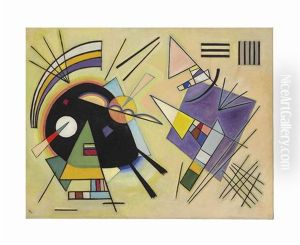

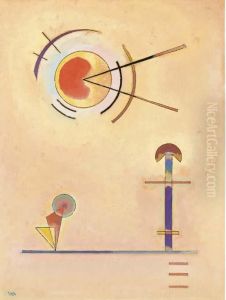

























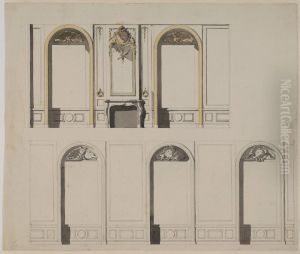

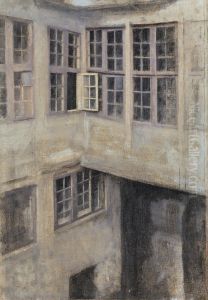




Mastering Depth and Arrangement: Exploring Spatial Composition in Classic Art
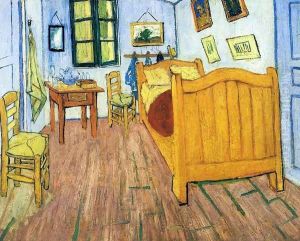
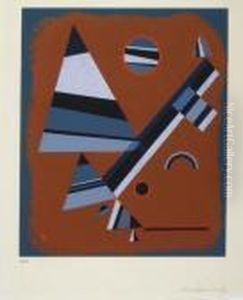
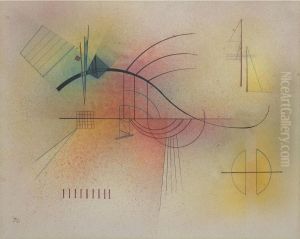
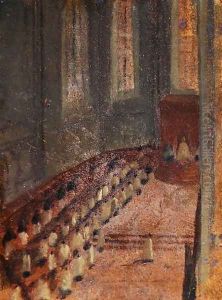
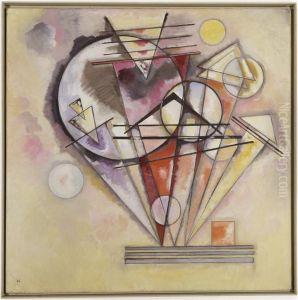
The masterful arrangement of elements within a painting, known as Spatial Composition, is a fundamental principle that elevates a flat surface into a vibrant, three-dimensional world. It's the art of creating the illusion of depth, distance, and volume, guiding the viewer's eye through the pictorial space and establishing a powerful visual narrative. From the sweeping landscapes to intimate portraits and intricate still lifes, understanding how artists manipulate foreground, middle ground, and background is key to appreciating the genius behind classic art.
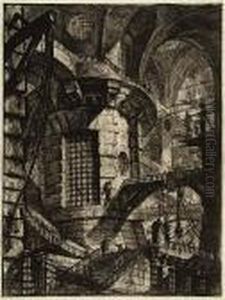
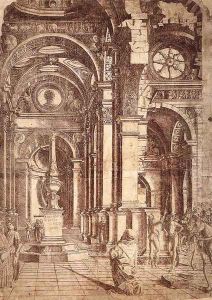
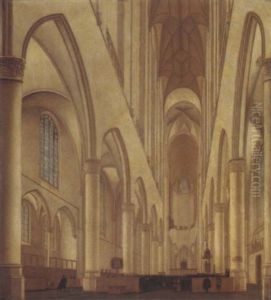
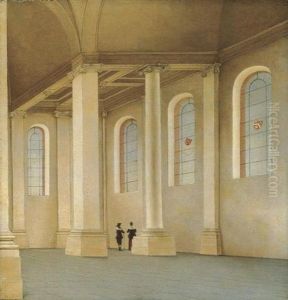
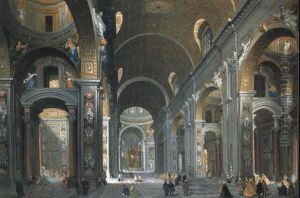
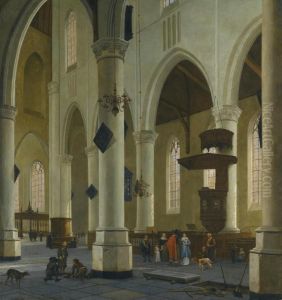
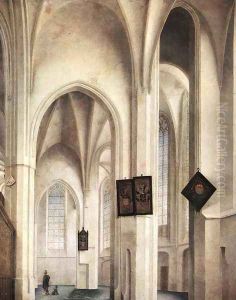
Throughout art history, artists have employed diverse techniques to achieve compelling Spatial Composition. The Renaissance masters, for instance, pioneered linear perspective, creating a convincing sense of receding space and architectural depth that drew viewers directly into the scene. Think of the precise vanishing points and geometric precision in works by Raphael or Leonardo da Vinci. Later periods saw the development of atmospheric perspective, where distant objects appear hazier and lighter, mimicking the effect of air and light on the eye. Artists like Rembrandt and Vermeer excelled in using light and shadow (chiaroscuro) to define form and create a profound sense of volume and depth, making figures and objects feel tangible within their settings.
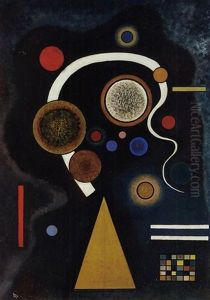
Effective spatial arrangement is not merely about realism; it's about emotional impact and visual harmony. The placement of a focal point, the balance of positive and negative space, and the interplay of lines and forms all contribute to the overall feeling of a piece. A dynamic composition might use diagonal lines to suggest movement and tension, while a static one might rely on horizontal and vertical lines for stability and calm. Whether conveying the grandeur of a historical event, the serenity of a natural scene, or the intimacy of a domestic moment, the artist's command over the arrangement of elements within the canvas is paramount.
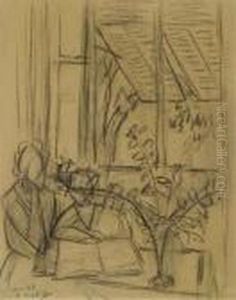
Exploring the nuances of spatial design in classic paintings offers a profound insight into the creative process. By studying how masters from various eras constructed their visual worlds, you gain a deeper appreciation for their technical skill and artistic vision. These timeless works, with their intricate layers of depth and meticulously arranged forms, continue to inspire and captivate, offering an immersive experience into the rich history of art.
Copyright 2010 - 2025 by NiceArtGallery.com All rights reserved. - Your Paintings of Choice


