Shapes Paintings






























The Enduring Power ofShapesin Classic Art
In the vast and captivating world of visual art,
shapesserve as the fundamental building blocks, defining everything we see and feel within a painting. From the grand compositions of historical masterpieces to the intricate details of a still life, every element is meticulously crafted using distinct forms. Understanding the pivotal role of
shapesis key to appreciating the underlying structure, visual harmony, and emotional resonance of classic oil paintings.
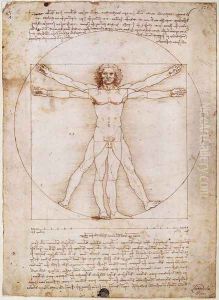
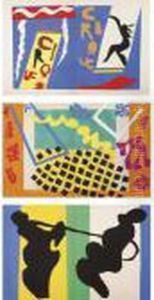
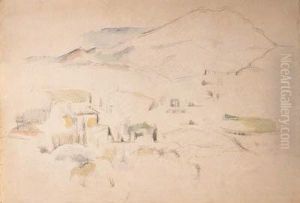
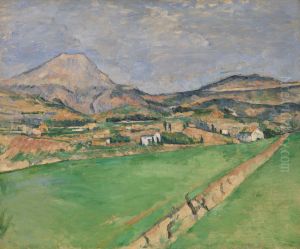
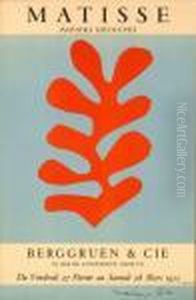
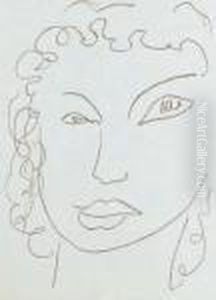
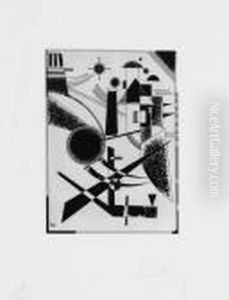
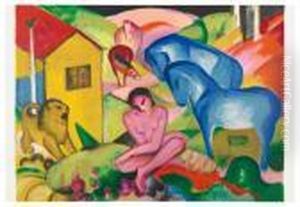
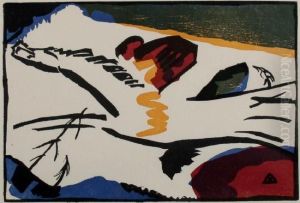
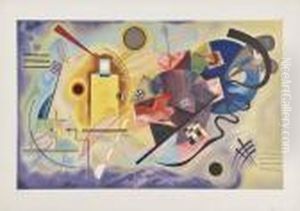
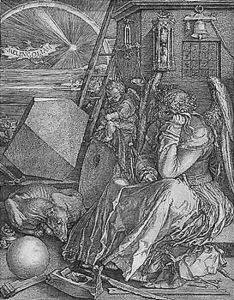
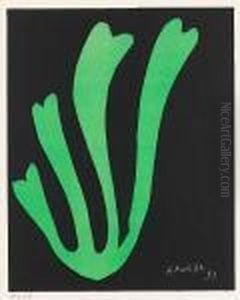
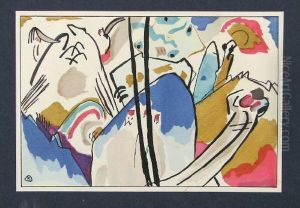
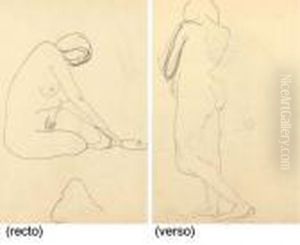
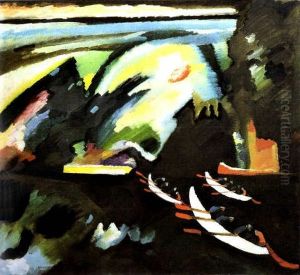
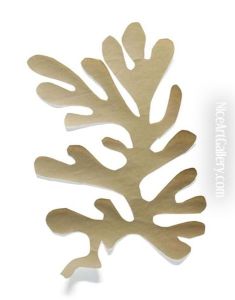
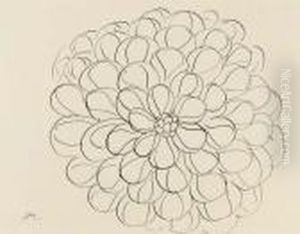
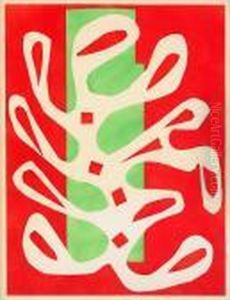
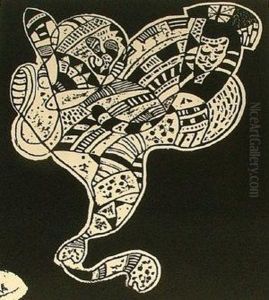
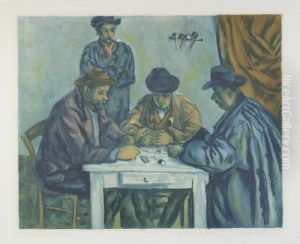
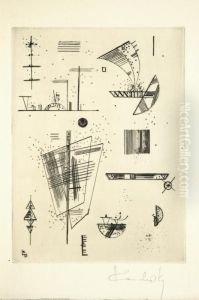
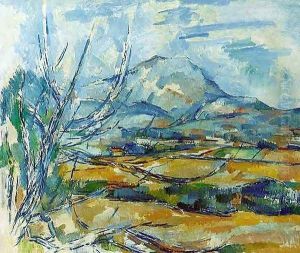
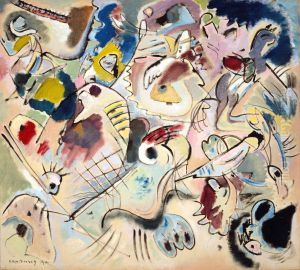
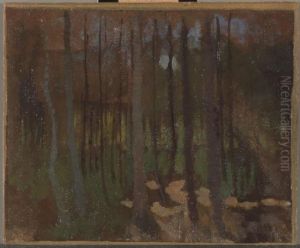
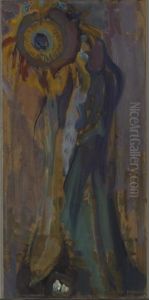
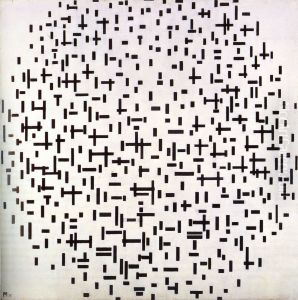
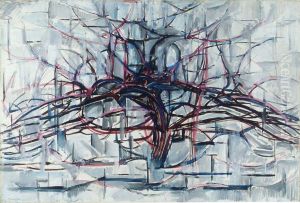
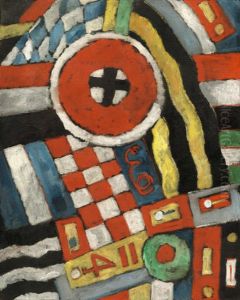
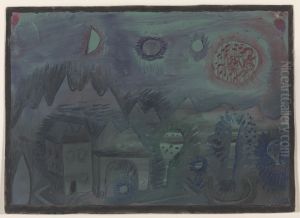
Artists primarily work with two broad categories of forms: geometric and organic. Geometric shapes – such as squares, circles, triangles, and rectangles – often convey stability, order, and a sense of deliberate construction. Think of the precise, architectural compositions favored by Renaissance masters, where triangular arrangements lend a sense of divine harmony and balance, or the bold, fragmented forms that define the revolutionary works of Cubism. In stark contrast, organic or free-form shapes are irregular, fluid, and typically found in nature. These natural contours, like the gentle curve of a human figure, the rugged outline of a mountain range, or the flowing lines of drapery, evoke a sense of natural movement, emotion, and life.
Master painters skillfully manipulate these forms to create visual balance, rhythm, and depth within their works. They expertly use the interplay of positive
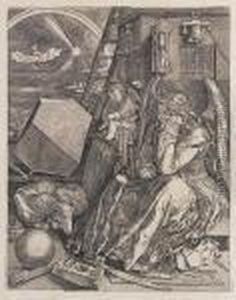
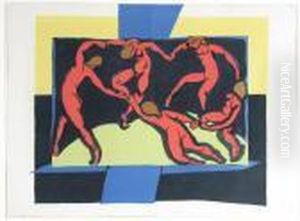
shapes(the main subjects or objects) and negative shapes (the spaces surrounding them) to guide the viewer's eye, establish perspective, and convey narrative. A strong diagonal shape can suggest dynamic movement or drama, while a series of repeating circular forms might create a sense of calm, unity, or infinity. Whether it's the robust, three-dimensional forms of Baroque sculpture-like figures, the delicate, nuanced outlines in a Rococo portrait, or the expressive, broken forms of an Impressionistic landscape, the careful choice and arrangement of shapes are never arbitrary; they are central to the artwork's message and impact.
By focusing on the shapes within a painting, you begin to uncover the artist's foundational decisions about composition, symbolism, and emotional impact. This analytical approach allows for a deeper connection with the artwork, revealing how these essential elements contribute to the timeless beauty and enduring power of the world's most cherished oil paintings. Explore our curated collection to witness the masterful use of form and structure that defines art history.
Copyright 2010 - 2025 by NiceArtGallery.com All rights reserved. - Your Paintings of Choice


