Negative Space Paintings
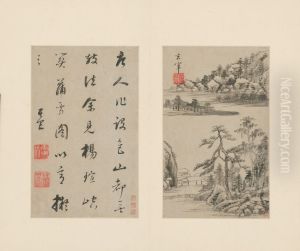



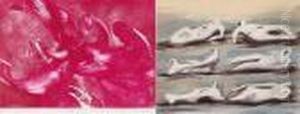


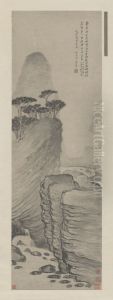
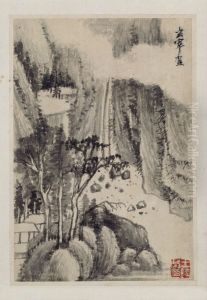


















































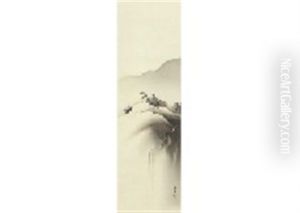

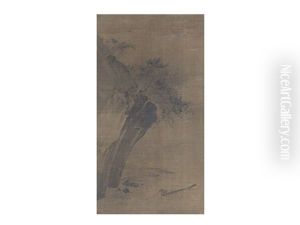

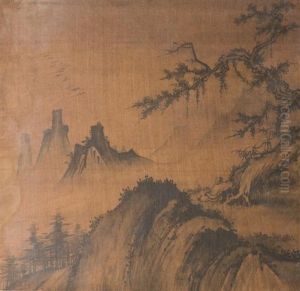
Exploring the Power ofNegative Spacein Classical Art
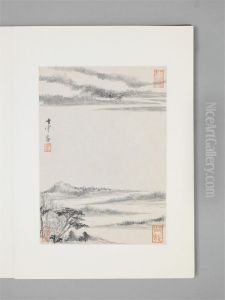
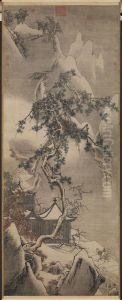
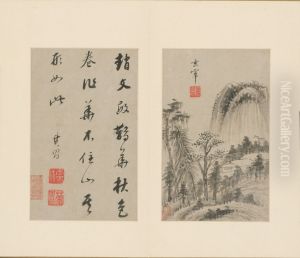
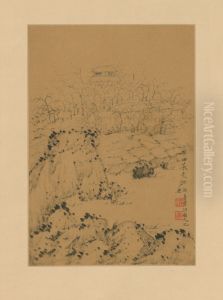
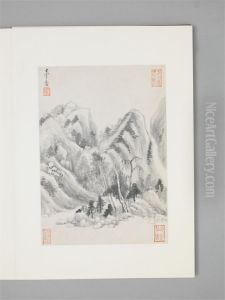
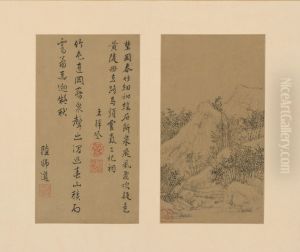
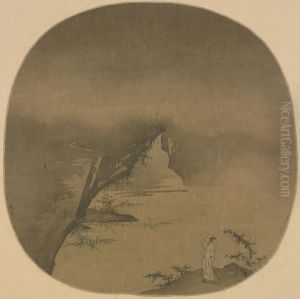
In the realm of art, not all space is created equal. While our eyes are often drawn to the main subjects or figures, the areas surrounding and between them, known as Negative Space, play an equally crucial role in a masterpiece's overall impact. Far from being mere emptiness, this often-overlooked element is a deliberate compositional tool, shaping the positive forms, guiding the viewer's eye, and contributing profoundly to the visual balance and harmony of a painting. Understanding how master artists harness this technique unlocks a deeper appreciation for their genius and the intricate design principles at play.
Artists throughout history have skillfully manipulated Negative Space to achieve diverse effects. From the elegant silhouettes in Japanese woodblock prints to the dramatic voids in Renaissance portraits, this concept is fundamental to creating depth, contrast, and psychological tension. It's the silent partner to the main subject, defining its boundaries, enhancing its presence, and sometimes even revealing hidden forms or alternative interpretations within the same canvas. By carefully considering the shape, size, and relationship of these 'empty' areas, artists can evoke a sense of calm, movement, or even isolation, transforming a simple composition into a powerful visual narrative.
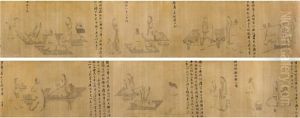
The strategic use of negative space is a hallmark of truly sophisticated artistic expression. It demonstrates an artist's profound understanding of form, perception, and the intricate figure-ground relationship. When exploring classical paintings, pay attention to how the background, the gaps between figures, or the areas around an object are not just static fillers, but dynamic components that contribute to the artwork's rhythm and flow. This thoughtful manipulation adds layers of meaning and visual interest, making the composition more engaging and impactful.
Our curated collection features faithful reproductions of timeless artworks where the mastery of negative space is evident. Each piece allows you to study and appreciate how these foundational design principles were applied by the original creators. By bringing these meticulously recreated masterpieces into your space, you not only adorn your walls with beauty but also gain a deeper insight into the subtle yet powerful techniques that define the world's most cherished art. Explore how the interplay of presence and absence creates enduring beauty and visual intrigue in these classic works.
Copyright 2010 - 2025 by NiceArtGallery.com All rights reserved. - Your Paintings of Choice


