Influence Of European Impressionism Paintings
































Exploring the Profound Influence of European Impressionism on Art History
The late 19th century witnessed a revolutionary shift in the art world, spearheaded by the Influence of European Impressionism. This groundbreaking movement, originating in France, challenged traditional academic painting by focusing on capturing fleeting moments, light, and color with unprecedented spontaneity. Its radical approach to visual representation laid the foundation for much of modern art, forever altering the course of artistic expression and setting a new standard for artistic freedom.
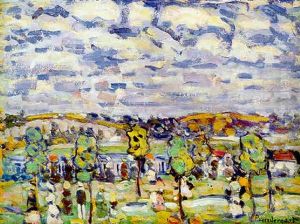
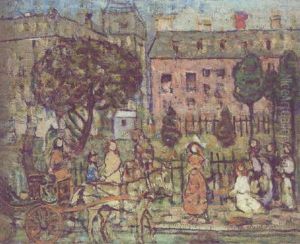
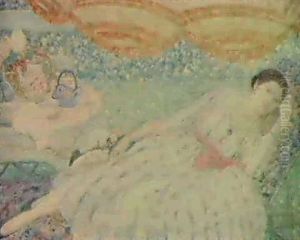
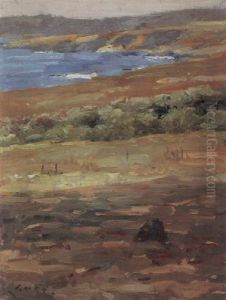
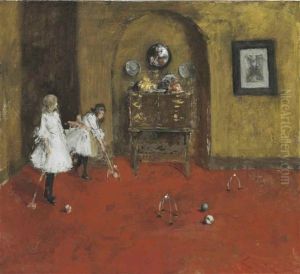
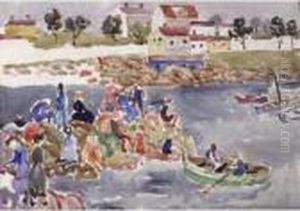
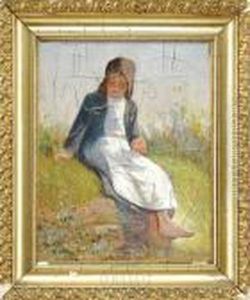
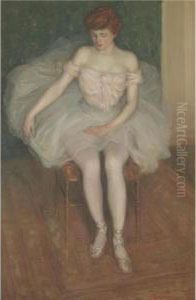
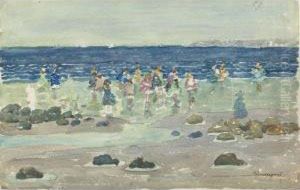
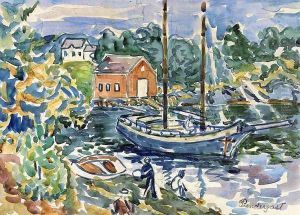
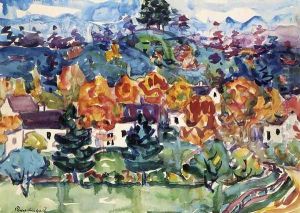
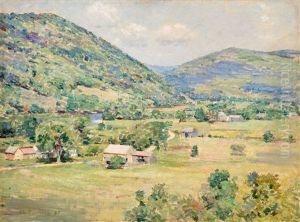
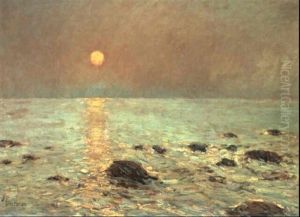
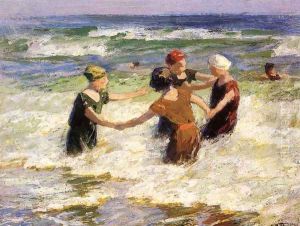
Impressionist artists, including pioneers like Claude Monet, Pierre-Auguste Renoir, Edgar Degas, and Camille Pissarro, abandoned rigid studio practices for 'en plein air' painting, embracing vibrant palettes and visible brushstrokes. Their works, often depicting landscapes, cityscapes, and scenes of everyday life, emphasized subjective perception and the transient effects of light. This innovative spirit was not confined to France; its principles soon resonated across continents, demonstrating the immense reach of the Influence of European Impressionism.
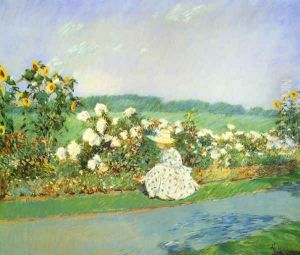
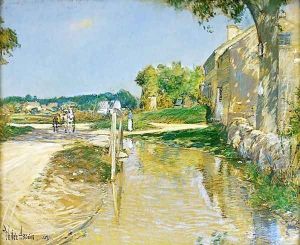
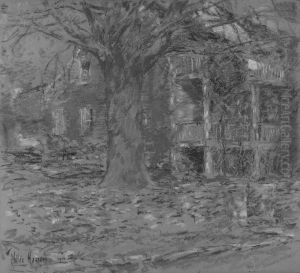
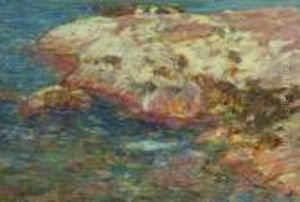
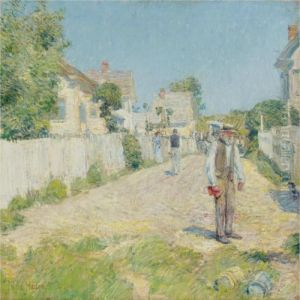
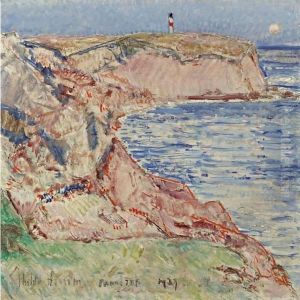
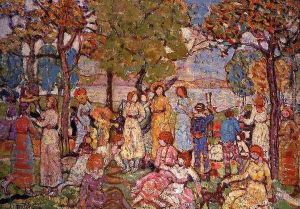
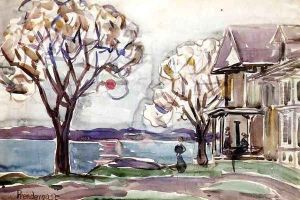
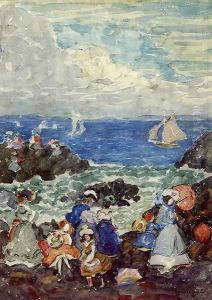
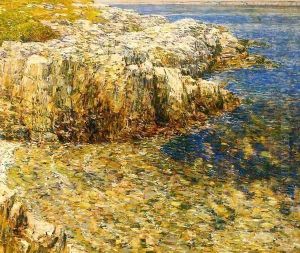
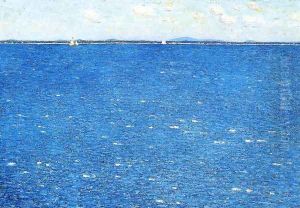
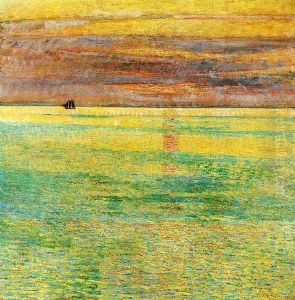
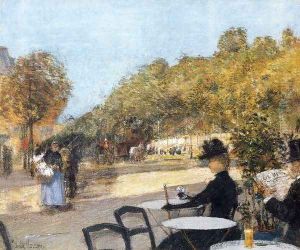
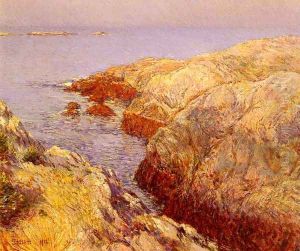
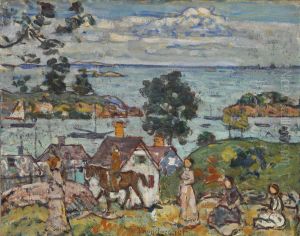
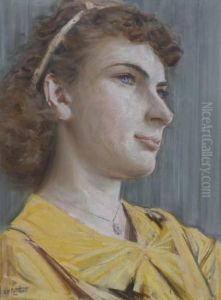
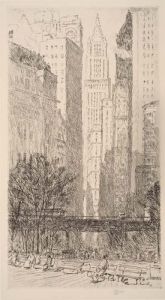
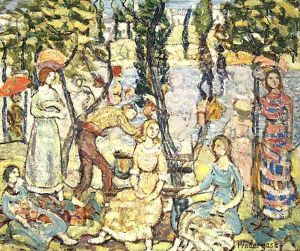
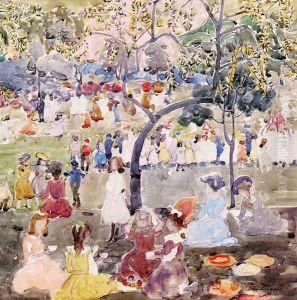
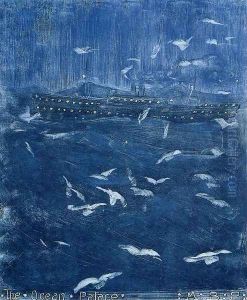
The ripple effect of Impressionism was profound and far-reaching. It directly inspired Post-Impressionist masters such as Vincent van Gogh, Paul Cézanne, and Paul Gauguin, who built upon its foundations while exploring new directions in form and emotion. Beyond Europe, its techniques and philosophies permeated movements like American Impressionism, influencing artists from Childe Hassam to Mary Cassatt. The emphasis on light, color, and personal interpretation became a cornerstone for subsequent avant-garde movements, including Fauvism and early Cubism, proving its enduring legacy in the visual arts.
Today, the legacy of European Impressionism remains undiminished. Its revolutionary spirit continues to captivate art enthusiasts and inspire contemporary artists worldwide. Exploring these masterworks, whether through academic study or by acquiring high-quality oil painting reproductions, offers a unique window into a pivotal era of artistic innovation. These iconic paintings, celebrated for their beauty and historical significance, continue to shape our understanding of art and its boundless possibilities, making the study of the Influence of European Impressionism essential for any art lover.
Copyright 2010 - 2025 by NiceArtGallery.com All rights reserved. - Your Paintings of Choice


