Fragmentation Paintings
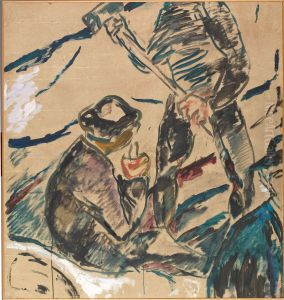
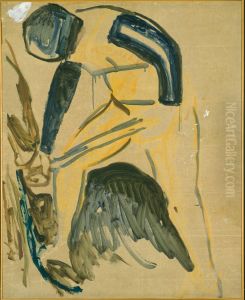
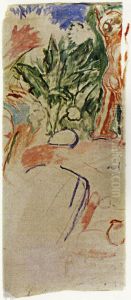
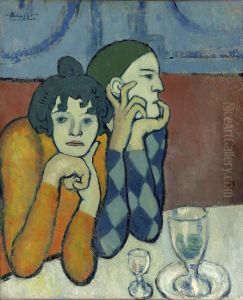


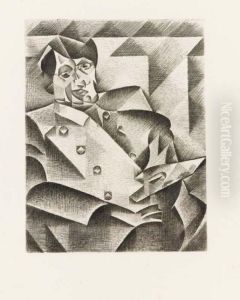
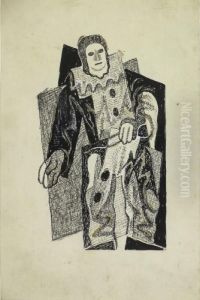
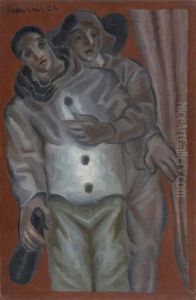
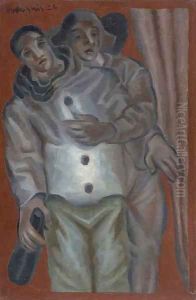
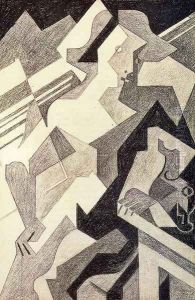
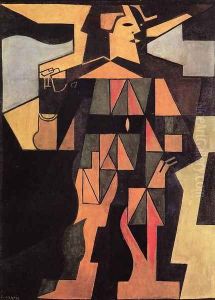
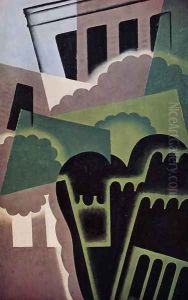
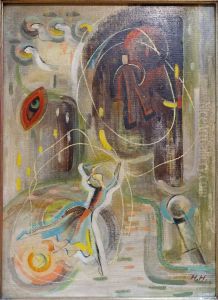
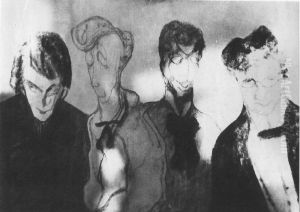
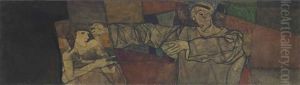
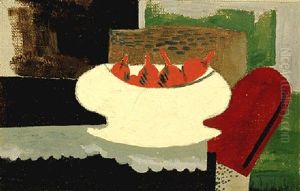
Exploring the Power of Fragmentation in Classic Art Reproductions
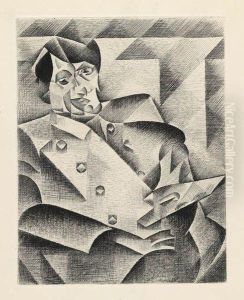
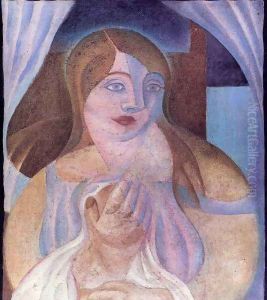
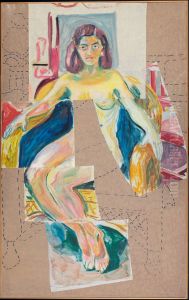
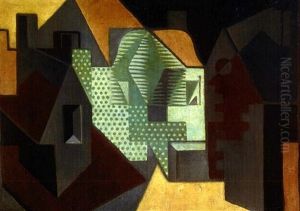
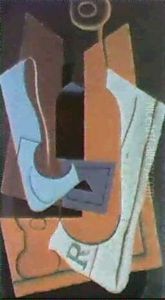
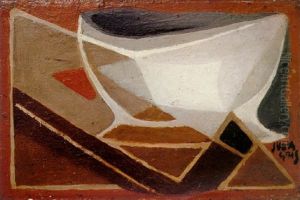
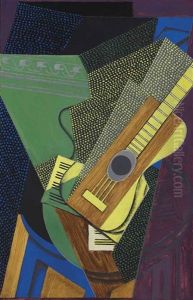
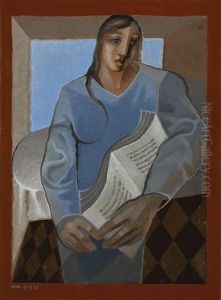
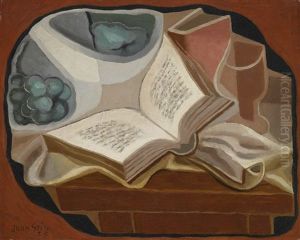
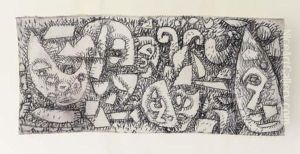
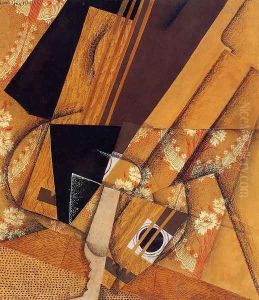
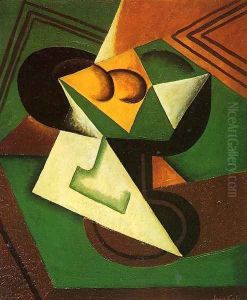
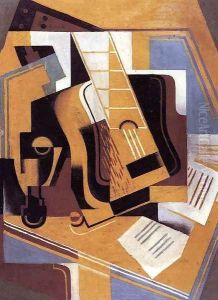
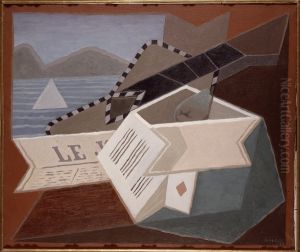
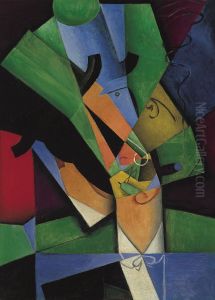
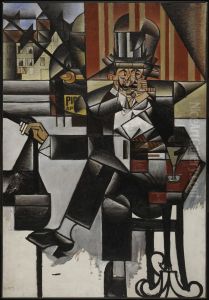
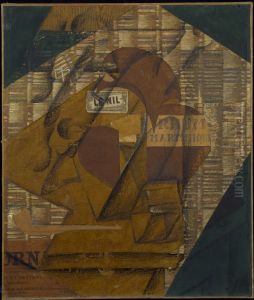
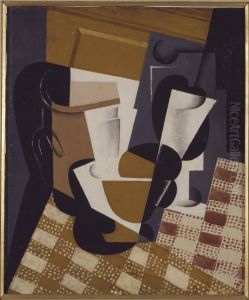
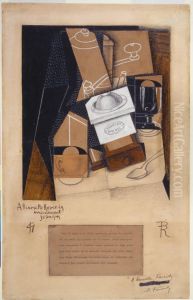
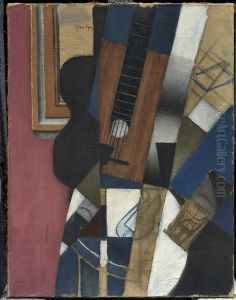
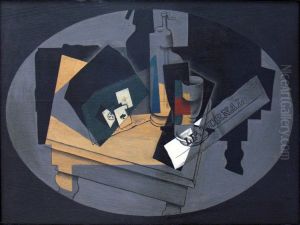
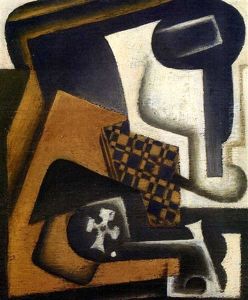
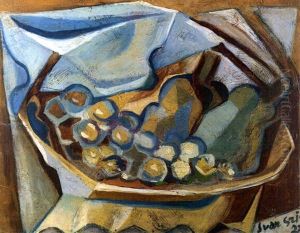
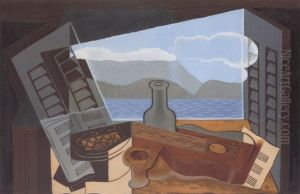
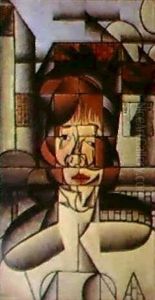
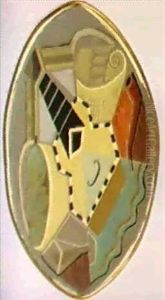
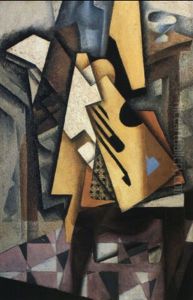
In the vast tapestry of art history, certain concepts consistently challenge and redefine our perception of reality. One such powerful concept is fragmentation. Far from being a mere stylistic choice, fragmentation in art represents a deliberate artistic technique where objects, figures, or scenes are broken down into multiple, often disjointed parts. This approach invites viewers to piece together meaning, explore multiple perspectives simultaneously, and engage with the artwork on a deeper, more intellectual level.
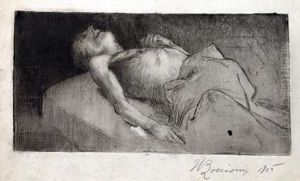
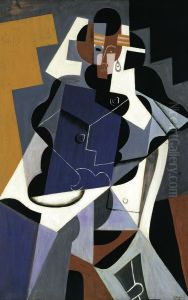
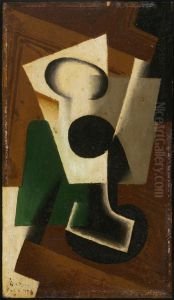
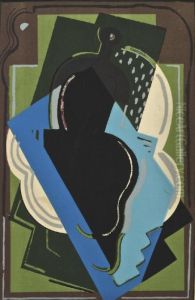
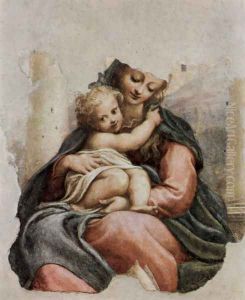
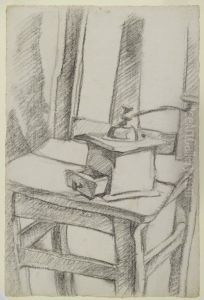
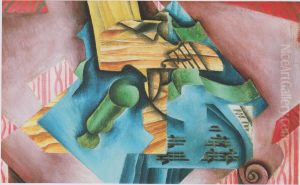
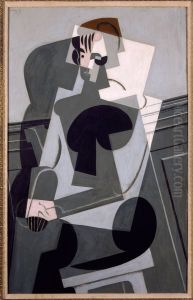
This revolutionary approach became a cornerstone for various groundbreaking movements, most notably Cubism, pioneered by masters like Pablo Picasso and Georges Braque. Their analytical and synthetic phases meticulously deconstructed forms, presenting subjects from multiple viewpoints at once, creating a dynamic visual experience that transcended traditional linear perspective. Similarly, Futurism embraced fragmentation to convey motion, speed, and the dynamism of modern life, with artists such as Umberto Boccioni capturing the blur of movement through fractured forms and overlapping planes. Even in earlier periods, subtle hints of fractured perspectives can be observed, laying groundwork for these radical shifts.
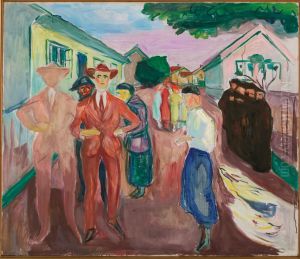
Artists employ fragmentation for a myriad of reasons: to challenge conventional notions of space and time, to reflect the complexity of modern existence, or to evoke a sense of psychological depth and emotional intensity. A fragmented composition can create a sense of tension, mystery, or even a disorienting beauty, compelling the observer to actively participate in the visual narrative. It's a testament to the artist's ability to manipulate visual language, inviting contemplation on the nature of perception and reality itself. These artworks are not just images; they are intellectual puzzles and emotional landscapes.
When exploring classic art reproductions featuring this compelling technique, the fidelity to the original masterpiece is paramount. Our curated collection brings these iconic works to life, meticulously recreating the intricate details, fractured forms, and multi-layered perspectives that define them. Each reproduction is a testament to skilled craftsmanship, ensuring that the essence and impact of the original artwork, with its profound use of fragmentation, are faithfully preserved. Discover how these timeless pieces continue to captivate and challenge, offering a unique window into the evolution of artistic thought and expression.
Copyright 2010 - 2025 by NiceArtGallery.com All rights reserved. - Your Paintings of Choice


