Emergence Of Golf As A Sport Paintings
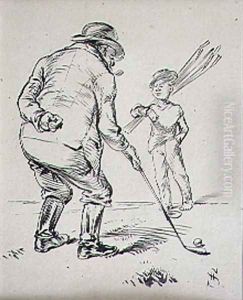
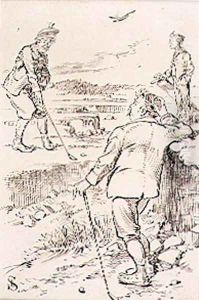

Discover the Emergence of Golf as a Sport
The Emergence of Golf as a Sport has captivated enthusiasts and players alike, marking a significant evolution in recreational activities. From its humble beginnings in the 15th century to becoming a global phenomenon, golf has transformed into a respected sport, attracting millions of fans and players worldwide.
As we delve into the Emergence of Golf as a Sport, it's essential to acknowledge the cultural and historical contexts that shaped its development. Initially played in Scotland, golf has grown to include prestigious tournaments like The Masters and The Open Championship. These events not only showcase the skill and dedication of professional golfers but also highlight the sport's rich heritage.
The rise of golf in the 19th century was fueled by the establishment of clubs and the standardization of rules. This period saw the introduction of iconic courses, which are now celebrated for their design and challenging layouts. The Emergence of Golf as a Sport has also led to the creation of various golfing styles and techniques, making it accessible to players of all skill levels.
Today, golf is more than just a game; it embodies a lifestyle and a community. With the advent of technology, training aids, and advanced equipment, aspiring golfers can refine their skills and enjoy the sport like never before. The inclusion of golf in the Olympics further underscores its significance as a competitive sport, bridging gaps between nations and cultures.
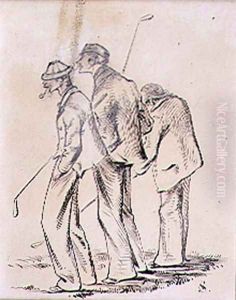
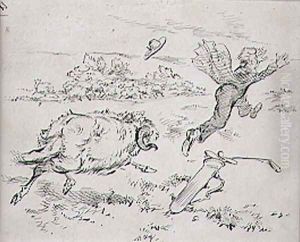
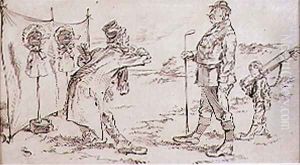
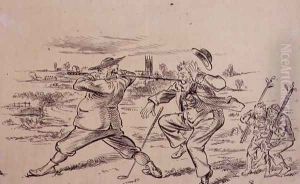
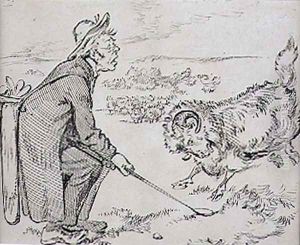
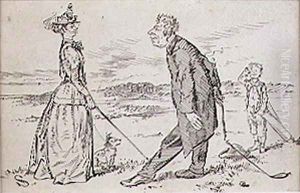
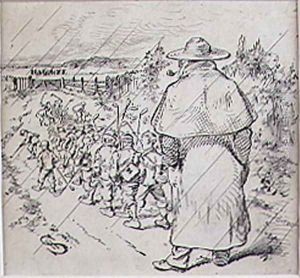
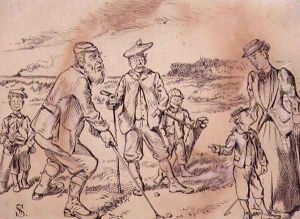
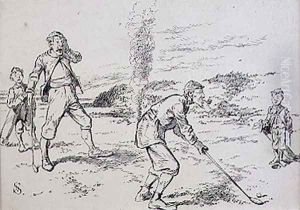
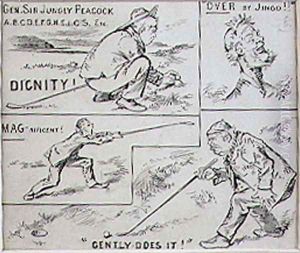
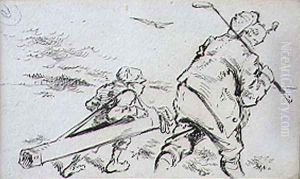
As you explore the Emergence of Golf as a Sport, you may find inspiration in the masterpieces of classic oil paintings that depict the elegance and passion associated with golf. These hand-painted replicas capture the essence of the sport, allowing fans to bring a piece of golf history into their homes.
Whether you are a seasoned golfer or a newcomer, understanding the Emergence of Golf as a Sport enriches your appreciation for this timeless game. Join us in celebrating golf's journey and its impact on sports culture around the world.
Copyright 2010 - 2025 by NiceArtGallery.com All rights reserved. - Your Paintings of Choice


